Få løsning
Hvad er genanvendelsesraten for lithium-ion-batterier

Hvad er genanvendelsesraten for lithium-ion-batterier

Genanvendelsesgraden for lithiumbatterier er fortsat et afgørende problem for producenterne, genbrugere, og miljøbevidste organisationer. Du skal forstå både potentialet og begrænsningerne ved den nuværende genbrugsindsats, da denne viden kan guide dine investeringsbeslutninger og bæredygtighedsstrategier. Ved at udforske de faktorer, der påvirker genanvendelsesprocenterne, de involverede genvindelige materialer, tilgængelige forbedringsmetoder, og den virkelige betydning af fuldstændig genanvendelighed, du kan træffe informerede valg og maksimere de miljømæssige og økonomiske fordele ved genbrug af lithium-ion-batterier.

What Factors Affect the Lithium Battery Recycling Efficiency?

You should recognize that lithium battery recycling efficiency depends on several interrelated factors.

  • Types of Lithium Batteries and Different Recycling Methods

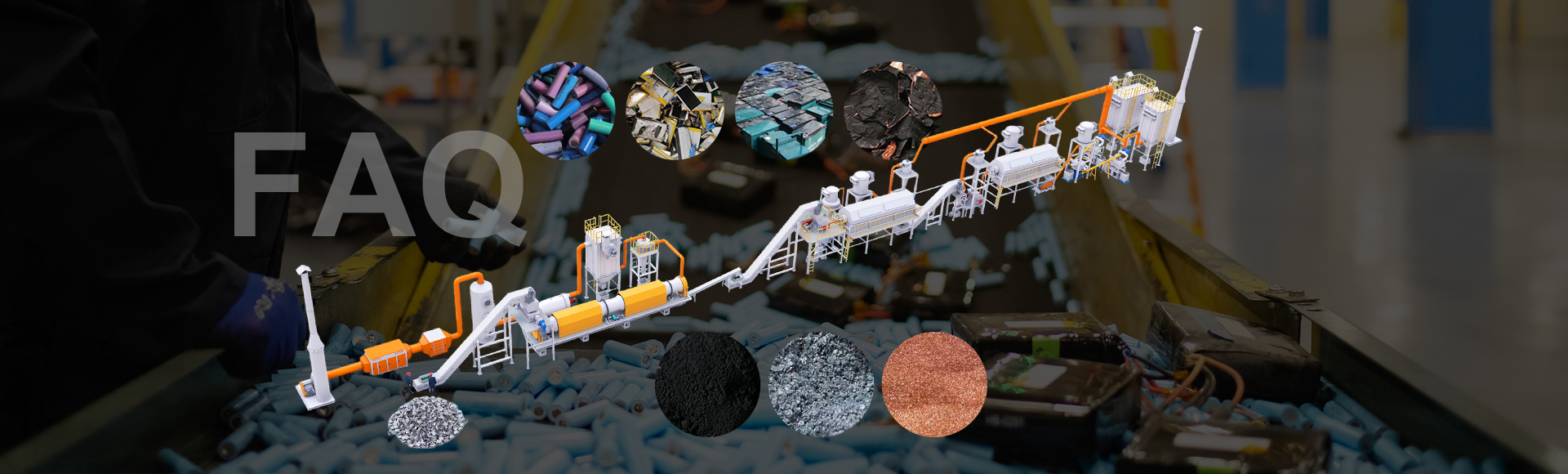
    First, the type of lithium battery plays a significant role. NMC (Nickel Manganese Cobalt) and LFP (Lithium Iron Phosphate) batteries contain different ratios of valuable metals, which influence recovery rates. And you also need to consider the recycling technology in use. Mechanical processes can recover metals like copper and aluminum efficiently, but advanced hydrometallurgical or pyrolysis methods achieve higher recovery of critical elements such as lithium, nikkel, and cobalt.

  • Effective Pollution Control Measures

    Derudover, effective pollution control measures ensure that hazardous materials are not released into the environment during recycling. Proper emission treatment and residue management are crucial for maintaining high efficiency without sacrificing safety or regulatory compliance. By choosing the right technologies and managing your processes, you can consistently enhance your recycling efficiency.

How Much Material Can Be Recovered from Lithium Batteries?

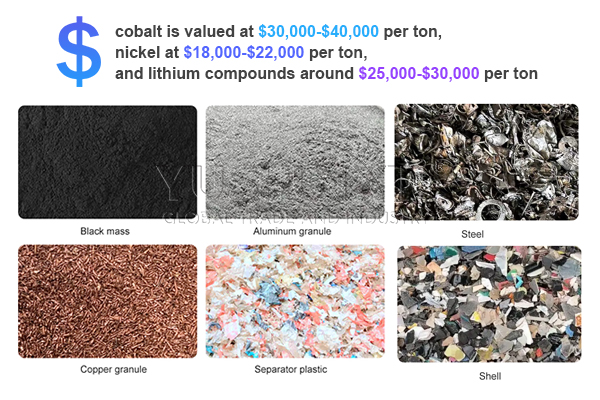
Recycling lithium batteries offers significant economic and environmental benefits. Advanced methods can recover up to 95% of cobalt, 90% of nickel, og 80% of lithium, along with over 90% of copper, aluminium, og plastik. With cobalt priced at $30,000–$40,000 per ton, nickel at $18,000–$22,000, and lithium compounds around $25,000–$30,000, high recovery rates boost profit margins while supporting a circular economy. Efficient recycling thus enhances both sustainability and financial outcomes, making it a key strategy for businesses handling lithium batteries.

material recovery cost from lithium battery recycling

How Can You Improve the Lithium Battery Recycling Rate?

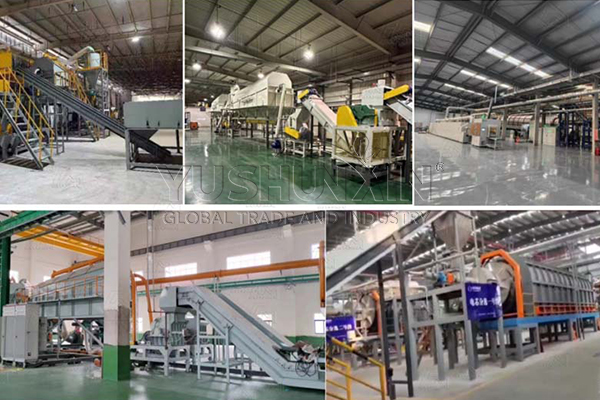
You can take several steps to improve the lithium battery recycling rate at your facility. Adopting advanced technologies, such as mechanical separation, pyrolyse, or hydrometallurgy, significantly boosts the efficiency and purity of recovered materials. And mechanical methods quickly separate casing materials and basic metals, while hydrometallurgical processes extract valuable elements from black mass with minimal environmental impact.

improving lithium battery recycling rate

Can 100% of Lithium Batteries Be Recycled?

Complete recycling of lithium-ion batteries is not yet achievable with current technology. While metals and structural materials can be recovered at rates of 85–98%, components like electrolytes and some plastic separators remain difficult to reclaim efficiently. Technical and energy limitations prevent full material recovery without environmental impact. Derfor, recycling operations should focus on maximizing critical material recovery, minimizing waste, and reducing environmental harm, while setting realistic expectations about the limitations of current processes.

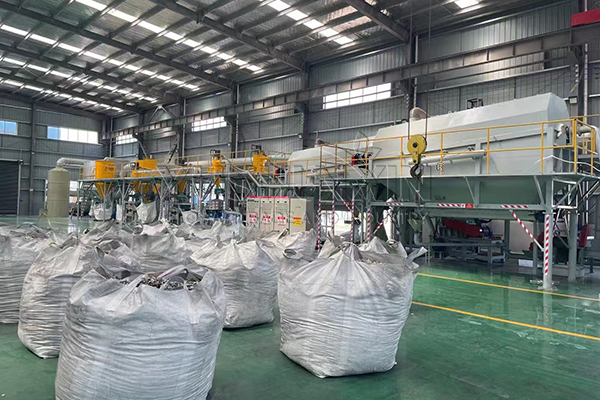
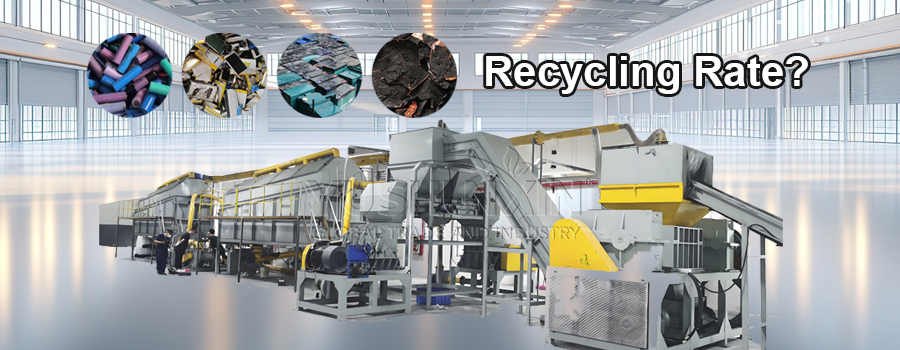
98% recycling rate of lithium battery recycling machine

You need to understand the recycling rate of lithium-ion batteries to guide your investment, operational decisions, and environmental compliance. By focusing on key factors such as battery type, recovery technology, and pollution control, you can optimize material recovery and increase your plant’s profitability. With advanced methods and supportive policies, you can continuously improve recycling performance, even though 100% recovery remains technically out of reach. This knowledge ensures your business stays competitive and sustainable in the rapidly growing battery recycling market.

Få et gratis tilbud

Gratis tjenester til dig

Indhent gratis tilbud på udstyr og produktdetaljer, og nyd en-til-en tilpassede tjenester.

Blank formular (#6)

Efterlad din besked

Blank formular (#6)

Du kan ikke kopiere indholdet af denne side